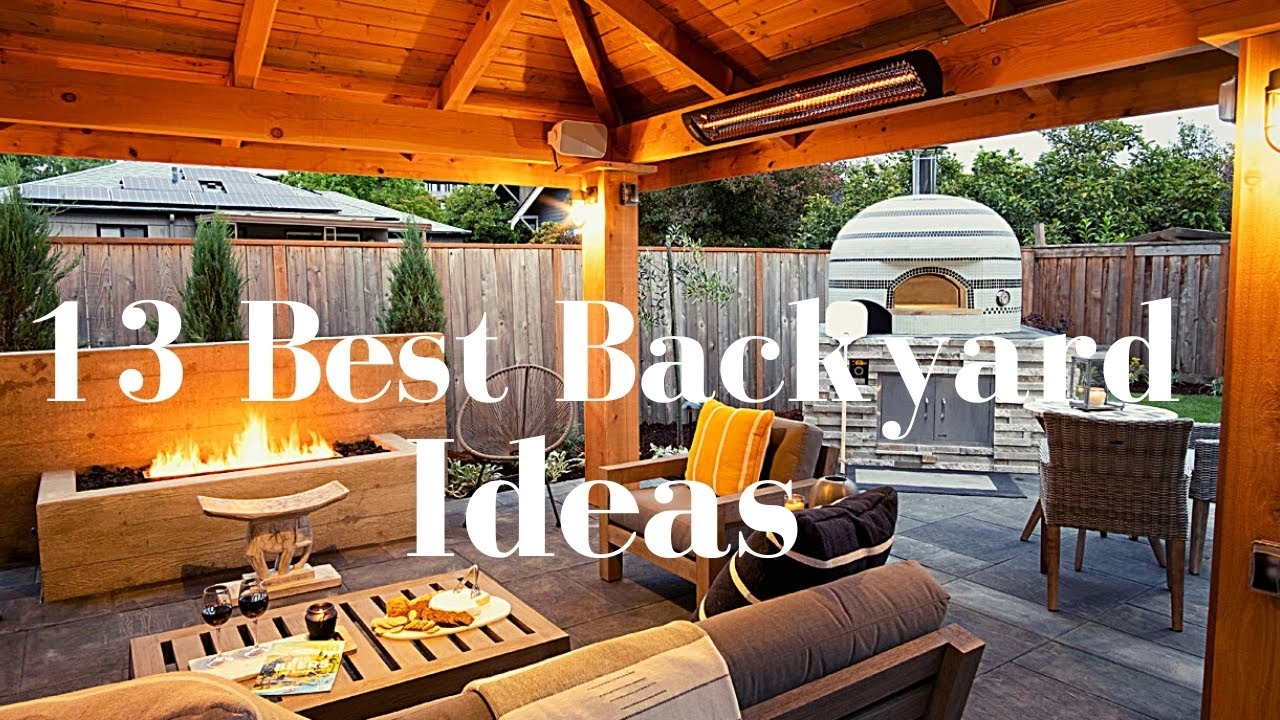
Outdoor spaces have evolved past fundamental lawns and decorative shrubs. Today, house owners are embracing the artwork and technology of outside backyard design to craft tranquil, based, and useful places that delay the dwelling surroundings past the walls of the home. Whether the function is relaxation, entertaining, or becoming a sustainable garden, beneficial design is the cornerstone of a a success outdoor transformation.
What Is Outdoor Garden Design?
Outdoor garden design refers to the intentional making plans and association of outdoor spaces applying a blend of usual facets, structural characteristics, and aesthetic concepts. Unlike fundamental gardening, which recurrently specializes in plant care, backyard layout contains layout planning, traffic pass, color coordination, and the combination of systems including paths, patios, lighting, and water inspiring outdoor garden designs elements.
This technique combines creativity and function, transforming inexperienced spaces into custom-made sanctuaries that reflect the user’s lifestyle, climate, and the estate's pleasing qualities.
The Elements of Exceptional Garden Design
A thoughtfully designed lawn harmonizes several ingredients to create a cohesive and visually appealing atmosphere. Key resources embrace:
- Layout and Structure: The lawn’s format varieties its backbone. Designers often start out through mapping the gap and defining zones for one-of-a-kind applications—together with lounging, planting, dining, or play. Pathways aid circulate and establish normal go with the flow between places. Plant Selection and Grouping: Choosing the precise flora is both an paintings and a technology. Considerations contain solar exposure, soil conditions, repairs needs, and seasonal pastime. A mix of textures, heights, and shades provides intensity and dimension, at the same time as local and drought-resistant flowers enhance sustainability. Hardscaping Features: Hardscaping refers to the use of non-plant substances like stone, wood, or steel. Popular hardscape ingredients in outside lawn layout incorporate patios, conserving walls, raised beds, decks, fences, and stepping stones. Lighting and Ambience: Strategic lighting brings gardens to life at night. From comfortable string lights and lanterns to sun pathway markers and spotlights, lighting fixtures enhances the two function and mood. Water Features and Sculptures: A fountain, pond, or small waterfall can add motion and serenity. Likewise, inventive accents like sculptures or garden art function focal facets that express personality.
Designing for Purpose and Lifestyle
Every lawn should still align with the people who use it. Outdoor backyard design turns into greater significant when it’s fashioned by means of goal. For example:
- Entertaining Spaces: Incorporating backyard kitchens, seating regions, fireplace pits, or dining zones makes a lawn foremost for social gatherings. Family-Friendly Gardens: Open lawns, sandboxes, or treehouses furnish tots with a reliable and stimulating ambiance. Wellness Retreats: Meditation corners, hammocks, and sensory plantings—comparable to lavender or decorative grasses—create areas for reflection and mental effectively-being. Productive Gardens: Raised vegetable beds, herb spirals, or safe to eat borders mix cosmetic with performance, enabling clients to develop their own delicacies.
Small Space, Big Impact: Urban Garden Design
Even the smallest backyard places can profit from considerate layout. In compact spaces like balconies, courtyards, or rooftop gardens, vertical gardening, box planting, and foldable furnishings maximize usability. Mirrors, light-coloured surfaces, and nicely-located greenery can create an phantasm of space and depth.
Vertical planters or trellises permit hiking flowers to thrive with no occupying a whole lot floor, at the same time as tiered lawn beds be offering layered good looks and effective use of space. With imaginative making plans, small spaces can experience expansive and welcoming.
Sustainable Outdoor Garden Practices
Modern garden layout emphasizes eco-unsleeping possibilities that gain the two property owners and the planet. Techniques embody:
- Rainwater Harvesting: Collecting and reusing rainwater for irrigation enables conserve substances. Permeable Paving: Materials that allow water to soak into the floor scale down runoff and advertise healthy soil. Composting: Turning garden and kitchen waste into nutrient-rich compost reduces landfill use and boosts plant future health. Native Planting: Using indigenous flowers requires much less water, supports biodiversity, and minimizes preservation.
These practices now not merely lower environmental influence but also make contributions to the long-time period luck of the lawn.

Hiring a Garden Design Professional
While many property owners enjoy experimenting with their possess outdoor layouts, running with a knowledgeable designer brings know-how and lengthy-time period vision to the desk. Professionals recognize space optimization, horticultural requisites, and aesthetic stability. They can tailor a layout plan that comprises funds, web page demanding situations, and private ambitions.
Moreover, design authorities ordinarilly have access to a broader stove of materials and flora, as well as the instruments to visualize the remaining structure earlier install starts offevolved.
Conclusion
Outdoor garden design is greater than arranging plants—that is about curating a space that blends shape, functionality, and nature. Whether developing a peaceful retreat, a social hub, or a pragmatic kitchen lawn, considerate layout guarantees that each and every rectangular meter of the outdoors is used to its fullest workable. With the desirable mindset, any garden can changed into a living paintings of art—wonderful, purposeful, and uniquely very own.